Wilcox Peak or Mount Wilcox? Unraveling the Naming Mystery of a Gem Scramble
Nestled amidst the awe-inspiring grandeur of the Canadian Rockies, along the iconic Icefields Parkway, lies a mountain renowned for its breathtaking panoramic views and exhilarating, yet accessible, challenge. This is the destination for an unforgettable Wilcox Pass and summit scramble. But before adventurers even set foot on the trail, they often encounter a curious dilemma: is it Wilcox Peak or Mount Wilcox? This intriguing naming confusion has persisted for decades, adding a unique layer to the mountain's rich history. Officially, the Geographic Board of Canada and the Canadian Geographic Names Database recognize it as **Wilcox Peak**, a designation dating back to 1924. However, for a period between 1928 and 1956, it was known as Mount Wilcox, a name that despite official reversion, firmly embedded itself in local vernacular and popular guides. Even authoritative texts like "Place Names of Alberta Volume 1" and the hugely influential "Scrambles of the Canadian Rockies" by Alan Kane refer to it as Mount Wilcox. This popular usage has cemented "Mount Wilcox" in the hearts and minds of many outdoor enthusiasts. Regardless of its official moniker, one thing remains undisputed: the mountain, whether peak or mount, offers an unparalleled scrambling experience.The Journey to the Summit: A Rewarding Wilcox Pass and Summit Scramble
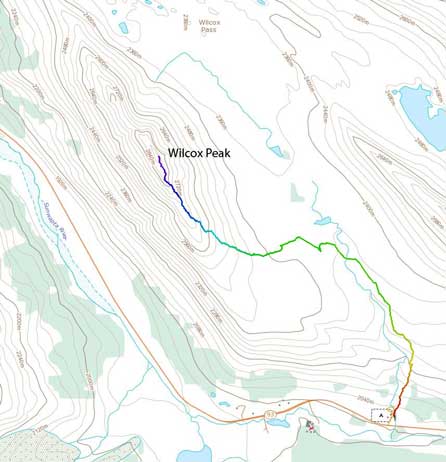
The adventure begins not at a steep, intimidating base, but with a picturesque hike through **Wilcox Pass**. Located near the southern boundary of Jasper National Park, where it meets Banff National Park, the trailhead is easily accessible directly off the Icefields Parkway (Highway 93) within the Sunwapta River Valley. The initial stages of the Wilcox Pass trail are a gentle introduction to the alpine environment, often featuring a well-maintained path winding through meadows and offering increasingly spectacular views of the Athabasca Glacier and surrounding giants. Many hikers stop at the "red chairs" viewpoint within the pass, satisfied with the incredible vistas without pushing further. However, for those seeking the ultimate reward, the true gem lies beyond the pass: the moderate scramble to the 2880-meter summit. This is where the "summit scramble" part of the adventure truly begins. Described as a "moderate scramble," it presents an engaging challenge without requiring highly technical climbing skills. The path to the summit, while gaining elevation steadily, involves navigating a mix of rocky terrain, scree slopes, and occasional low-technical rock steps. The general consensus among those who've tackled it is that it's "pretty fun," especially with the right footwear. One review highlighted that it was a friend's first moderate scramble and only second overall, and despite a fear of heights, she would gladly do it again – a testament to its approachable difficulty. Expect to spend at least 3 hours ascending to the summit at a moderate pace, making the round trip, including the pass hike, a full-day commitment. The final 30 minutes or so involve more continuous "low-technicality stuff," which adds to the sense of accomplishment without introducing overly "sketchy" moves. The exposure is mild, meaning while there are open sections, it doesn't typically involve sheer drops or unnerving narrow ridges that challenge most moderate scramblers. The consistent encouragement from experienced scramblers is to *definitely* push onto the summit; the views from the very top are simply not to be missed.Panoramic Rewards: What Awaits at 2880 Meters
The enduring appeal of the Wilcox Pass and summit scramble culminates in the truly staggering views from its peak. Alan Kane's famous endorsement in "Scrambles of the Canadian Rockies" declares that Mount Wilcox offers "possibly the best view in the entire Rockies for the energy expended." This isn't hyperbole. From the 2880m summit, you are treated to an unparalleled 360-degree spectacle that captures the essence of the Columbia Icefield region and beyond. Imagine standing atop the world, gazing out at the monumental peaks that define this section of the Rockies. The vista includes the majestic forms of Mount Athabasca, Mount Andromeda, Mount Kitchener, and Nigel Peak, all part of the Columbia Icefield's impressive expanse. The ever-famous Athabasca Glacier sprawls directly below, a vast tongue of ancient ice providing a dramatic contrast to the rugged rock faces. In the distance, giants like The Twins (or at least one of them), Mount Alberta, Mount Bryce, and even potentially the distant silhouette of Mount Edith Cavell complete the mind-boggling panorama. This is more than just a list of names; it's a deeply immersive experience, witnessing the raw power and beauty of a truly wild landscape. The feeling of accomplishment, combined with such visual grandeur, is what makes this scramble a "true gem." Beyond the geological wonders, the area is also home to abundant wildlife. Scramblers frequently report sightings of bighorn sheep, their distinctive curled horns adding another layer of magic to the alpine environment. For more on why this scramble offers such incredible value, explore our related article: Wilcox Peak Scramble: The Rockies' Best View for Your Effort.Essential Tips for Your Wilcox Scramble Adventure
Embarking on a Wilcox Pass and summit scramble requires some preparation to ensure a safe and enjoyable experience. While the scramble is moderate, being prepared makes all the difference.Gear Up for Success
- Footwear: Good hiking boots with ankle support and sturdy soles are crucial. Avoid sneakers or casual shoes, especially for the scree and rocky sections of the scramble.
- Layers: Mountain weather can change rapidly. Bring layers including a base layer, fleece, and a waterproof/windproof outer shell, even on a sunny day.
- Water & Snacks: Carry ample water – at least 2-3 liters per person – and energy-rich snacks. There are no water sources once you leave the trailhead.
- Navigation: While the trail up Wilcox Pass is well-defined, the scramble portion involves following cairns and choosing your line. A physical map and compass, or a reliable GPS app on your phone (with downloaded offline maps), are highly recommended.
- Safety Essentials: Bear spray is a must in this region. A small first-aid kit, headlamp (just in case you're out longer than expected), and sun protection (hat, sunglasses, sunscreen) are also important.
Best Time to Go & Trailhead Information
The ideal season for this scramble is typically from late June through early October, once most of the snow has melted from the higher elevations. Always check trail conditions and weather forecasts before heading out. The trailhead for Wilcox Pass is clearly marked on the Icefields Parkway, approximately 4 km south of the Columbia Icefield Discovery Centre. There is a dedicated parking lot, but it can fill up quickly during peak season, so an early start is advisable.
Safety and Etiquette
Inform someone of your plans, including your expected return time. Stay on established trails and follow Leave No Trace principles – pack out everything you pack in. While the scramble is moderate, always assess your own comfort level and turn back if conditions feel beyond your capabilities. Even if you're relatively new to scrambling, as attested by many, this peak offers a fantastic introduction, a topic we delve into further in Mount Wilcox Scramble: A Rewarding Path to Epic Views (Even for Beginners).
